How AI agents changed the running of Atelie
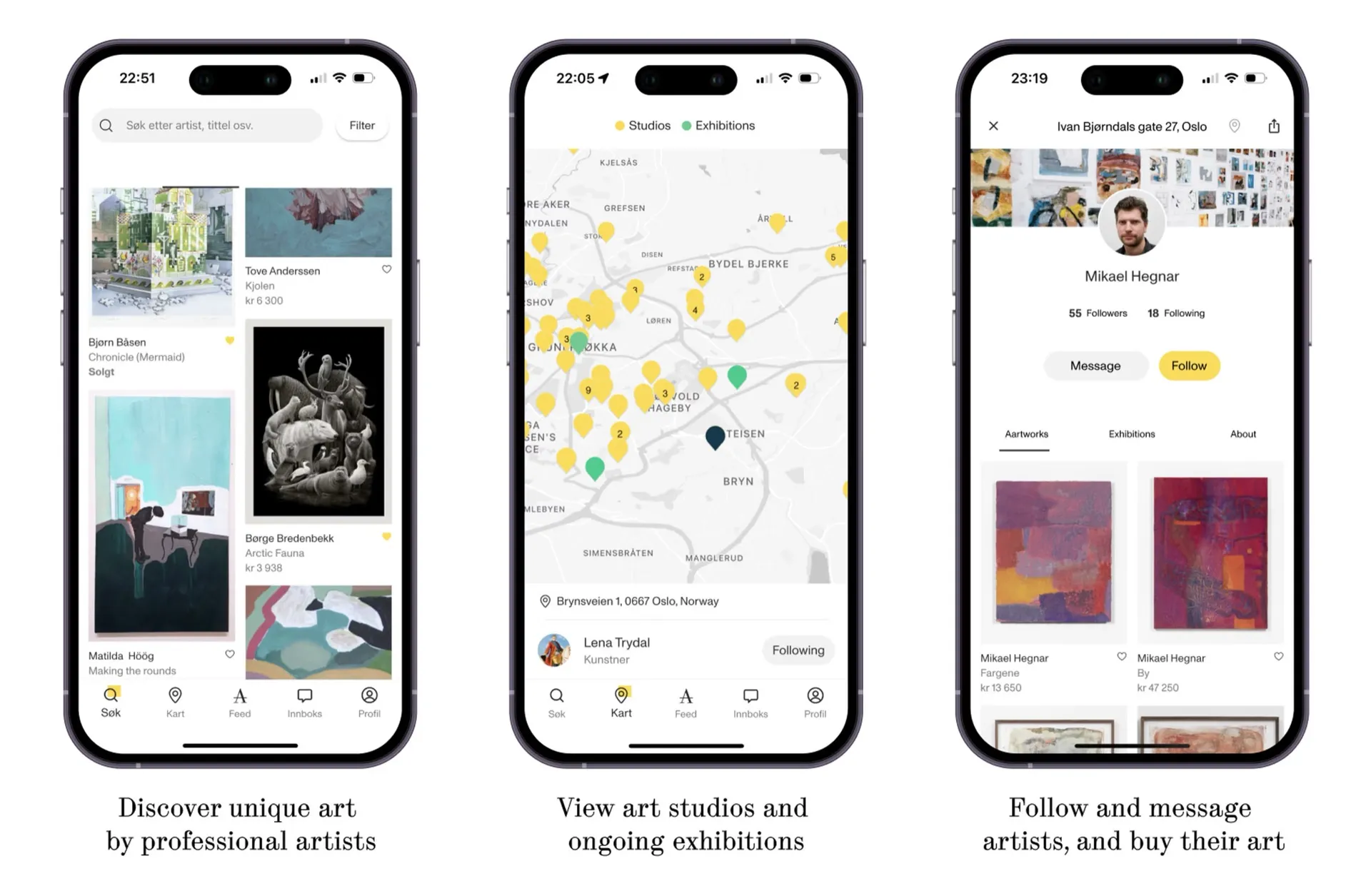
Atelie is an art platform with over 1,000 professional artists and 10,000 works. It was built by senior developers over several years. Today I run it alone. Here is what actually changed.
Christian von Hanno7 min read
Where it started
Atelie started in 2016, with the aim of making art more accessible and shortening the distance between artists and the people who care about their work. The platform went live in 2018, and over time we grew into a team of good people.
But a strong team also costs money, and in an early-stage company building something scalable with international ambitions, investor capital is something you raise over several rounds. For a startup, things rarely go to plan. Processes drag on, development costs are high and the money starts running out. Growth and development stall or stop altogether. A fairly ordinary scenario for most people building tech companies.
All of that has now changed fundamentally.
From ChatGPT to vibecoding
I had used ChatGPT for a couple of years to write applications and work on content. Useful, but limited. Then the term vibecoding turned up.
Vibecoding is building software by describing what you want in ordinary language and letting the model write the code. Andrej Karpathy coined the term in early 2025, and it struck a nerve because it described something that had actually become possible.
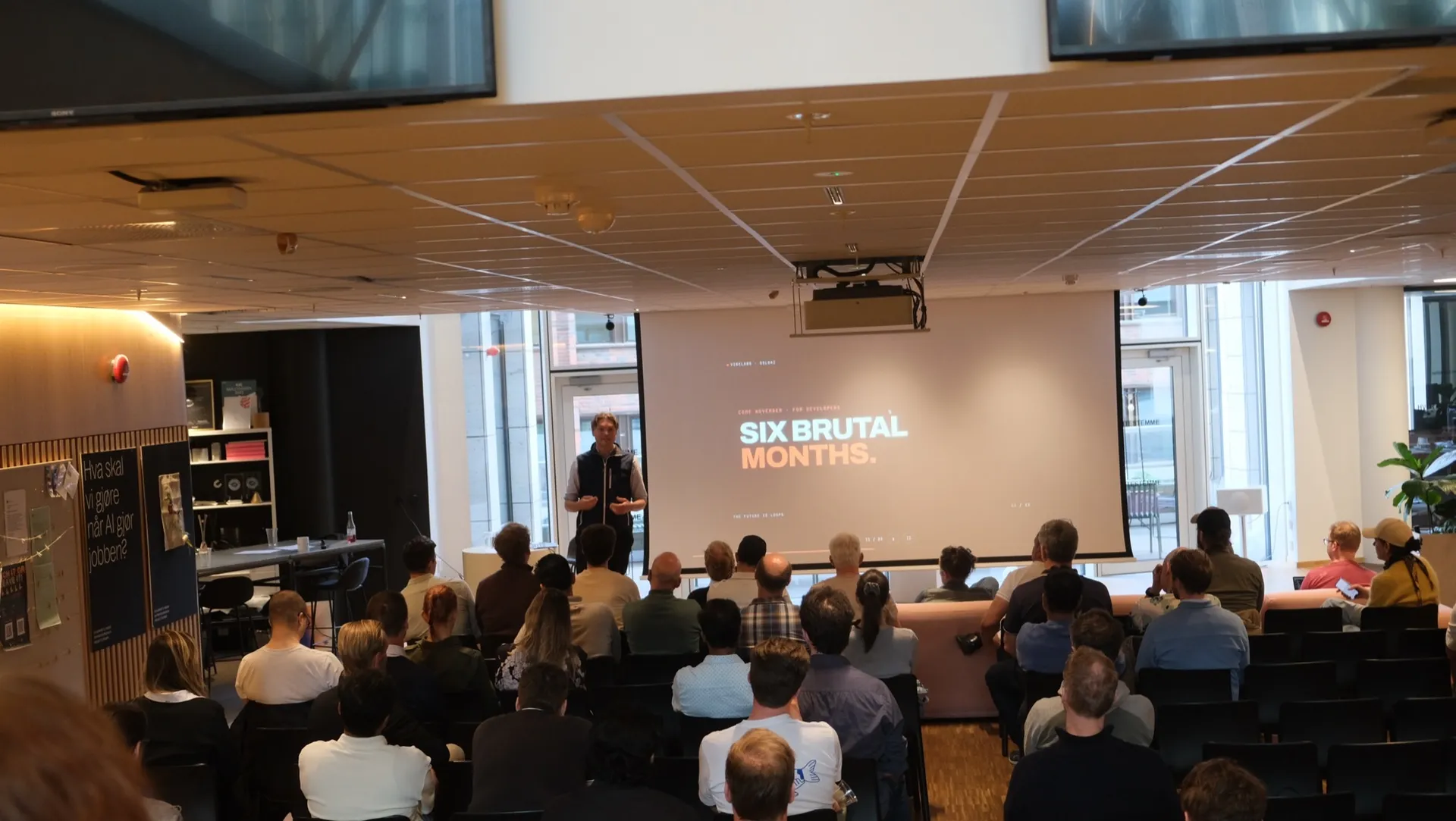
I got to be a beta tester at the Norwegian company Databutton, now Riff, where you could suddenly build apps and websites simply by writing what you wanted. It was a remarkable experience. After that I ended up at Simon Souyris Strumse's vibecoding events at Mesh, and we started building things together in our spare time — which later led to starting Vibelabs in 2025.
From personal websites and app ideas I moved on to Atelie's more complex codebase as the AI models improved. It was built by experienced developers over many years, with Stripe integrations, webhooks and payment flows that do not tolerate sloppiness. It had not been touched in a long time, simply because development costs were too high. The models from Anthropic and OpenAI had suddenly become good enough that I felt safe maintaining and extending the platform myself.
From simple maintenance to autonomous processes
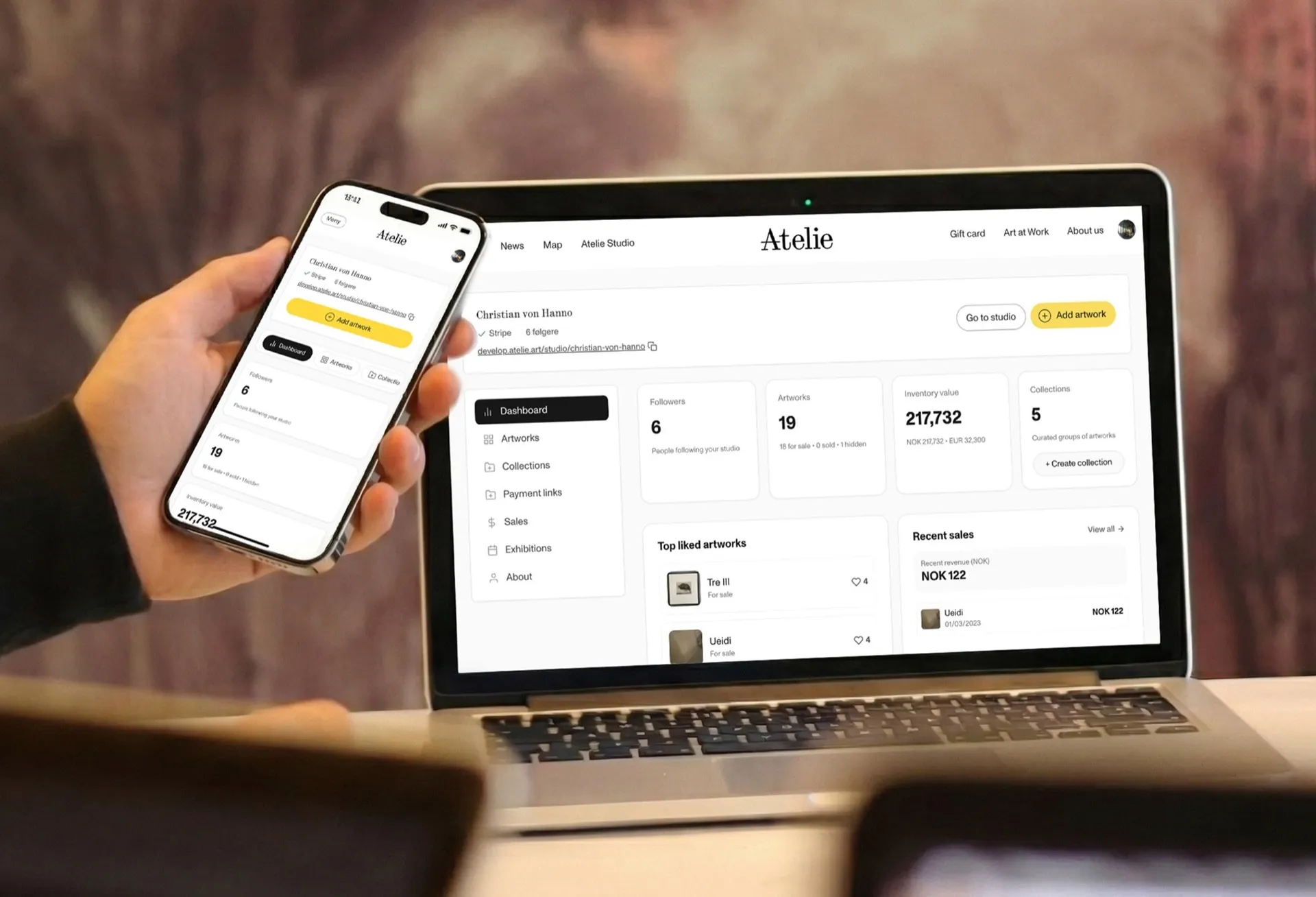
It began with small things — bug fixes and design updates — and moved on to more advanced updates and maintenance of existing backend services. In time I also started building entirely new features, like saving art to your own lists and viewing art in a room, and then more complex ones like Atelie Studio, which launched recently.
Atelie Studio is not one feature. It is a complete tool for artists to manage their practice, with an archive, CRM, digital presentation, invoicing and a dashboard with statistics.
Building something like that is less about code than about having a process that holds.
I have worked closely with developers since 2012. First as a service designer at Itera and EGGS Design, on projects for Circle K, Santander, KLP and MUNCH among others. At Atelie I have sat beside many skilled developers throughout the journey. I have never been the developer in the room, but I have learned a great deal about processes, security, databases, and the words people use.
The past year has brought a lot of new vocabulary. Vibecoding has been joined by agentic engineering, context engineering, harness engineering, loop engineering and graph engineering — what loops and graphs actually are, we have written about in From vibecoding to loops to graphs. The common thread: instead of sitting in the middle of every round, you set up tasks with conditions for when the agents are done, and let them work until those conditions are met.
Setups like that need a lot of integrations and access, and clear boundaries. What the agent may change on its own, what always requires approval, what must never be touched without review. The framework around the agents is what is called a harness.
There are also several things I do not let the agents do. They do not make important product decisions on their own. Nor do they carry the responsibility if something goes wrong in production.
Marketing and content
Atelie communicates across six channels: email, newsletter, Instagram, LinkedIn, B2B sales and press — which used to take a full-time role and then some.
The answer has been to build a “Content OS”: a knowledge base in git holding everything an agent needs to be a good sparring partner and produce output that is actually relevant. Tone of voice, history, current project information pulled from emails, and fresh key figures, all in one place.
The point is not that AI writes the content, but that I do not have to explain the context from scratch every time. I write quick sketches and get drafts back in the right voice with the right information. The same knowledge base drives grant applications, investor updates and B2B proposals.
What has changed is not that the work disappeared. It is that the distance between an idea and something that is live has shrunk from months to days, and that I can keep every part of the company moving at once instead of picking two out of six.
Where I would start
Start with a hobby project. Something you want to make, where nothing is at stake if it goes wrong. Build, see what happens, and learn as you go.
Spend the time learning to build good context. That is the skill that matters most, and the one that separates a result you can use from one you have to redo.
Ask open questions, and do not let yourself be limited by what you think is possible. Ask Claude about everything you wonder about, including what you think is too obvious or too large. That is how you find out where the limits actually are.
And when you move from a hobby project to something that matters, it is the process around it that decides whether it holds.
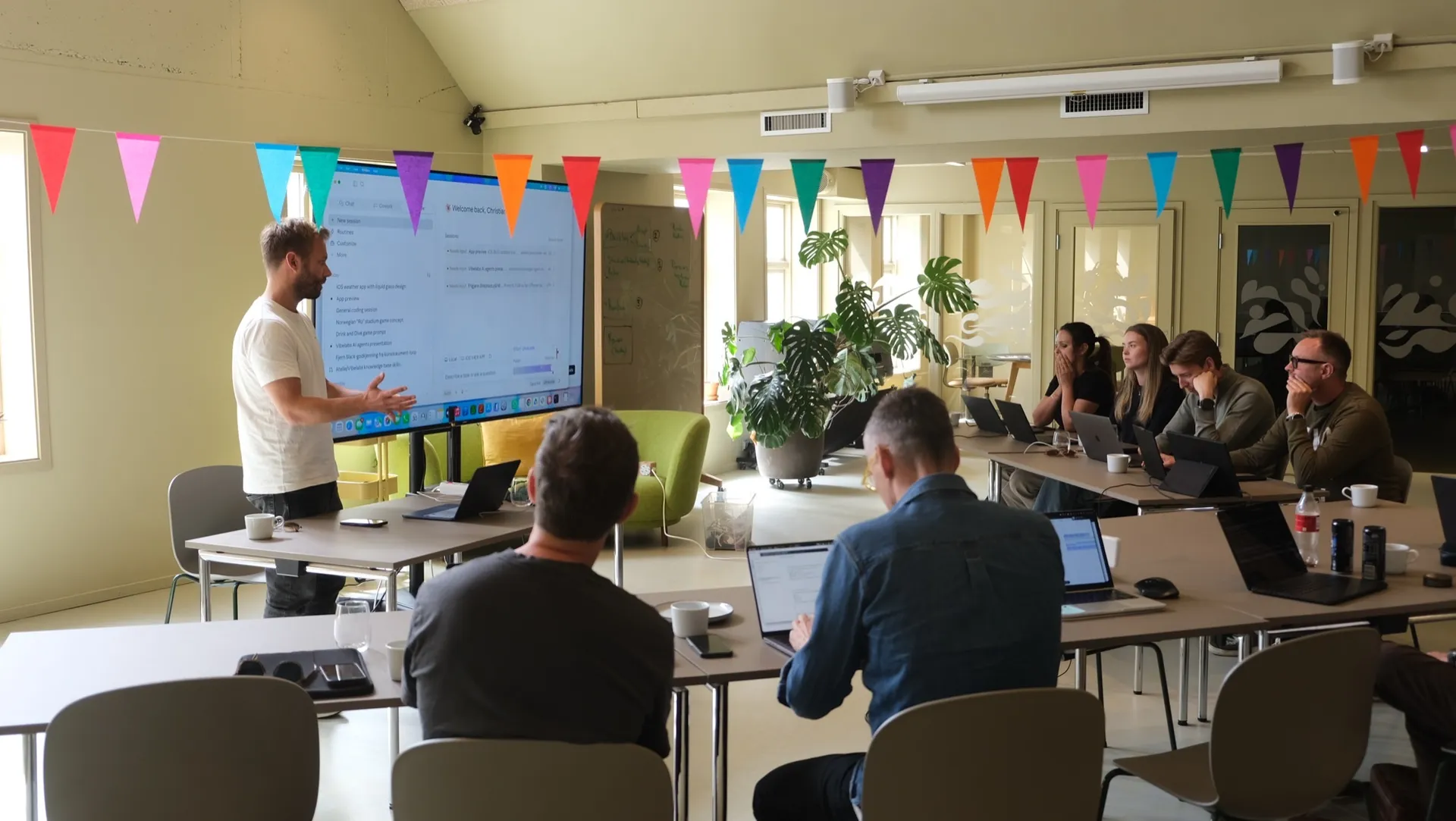
At Vibelabs we teach exactly this: Claude Code, agent setups, and how to build the context and the review that let you trust agents on real systems. Over 2,000 people from more than 200 companies have been on our courses. If that sounds useful, take a look at what we do.
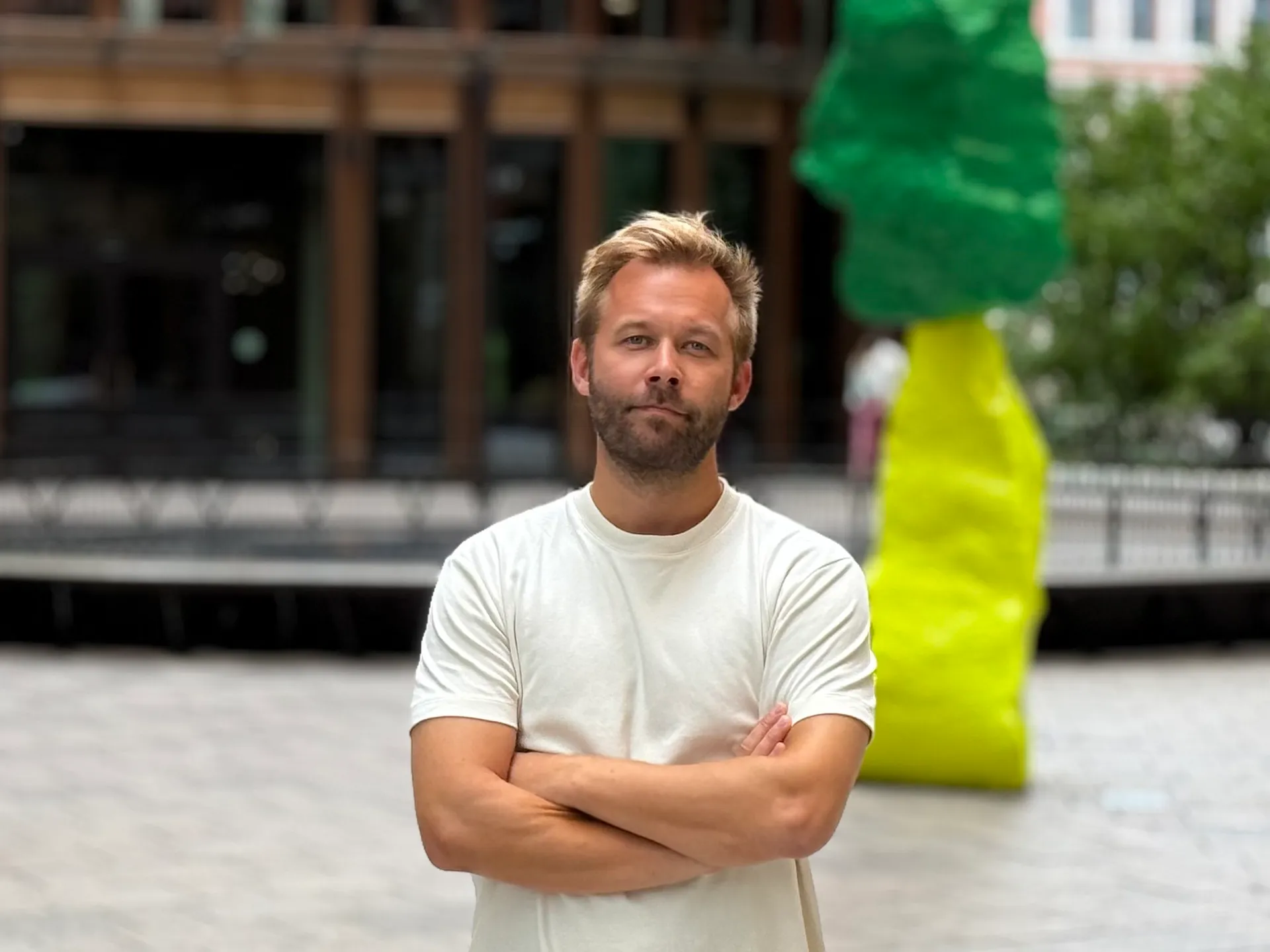
Christian von Hanno is founder and CEO of Atelie, and a co-founder of Vibelabs.
Christian von Hanno
Co-founder
Questions after reading this? Christian is happy to answer.
- AnalysisFrom vibecoding to loops to graphsSix weeks. That is how long it took to get from “stop prompting, design loops” to “are we still talking about loops?”. Here are all three steps, and where you should be standing.
- FormatModular courses for companiesA one-day course gets people started, and for many that is exactly what is needed. If a whole department is going to change how it works, a modular programme can be the better model.